In Depth
What a peak brightness figure means, and why the screen dims outdoors anyway
Updated
The quoted number is measured on a fraction of the panel for a short time. Here is how the three figures on a specification sheet differ and which one you actually live with.
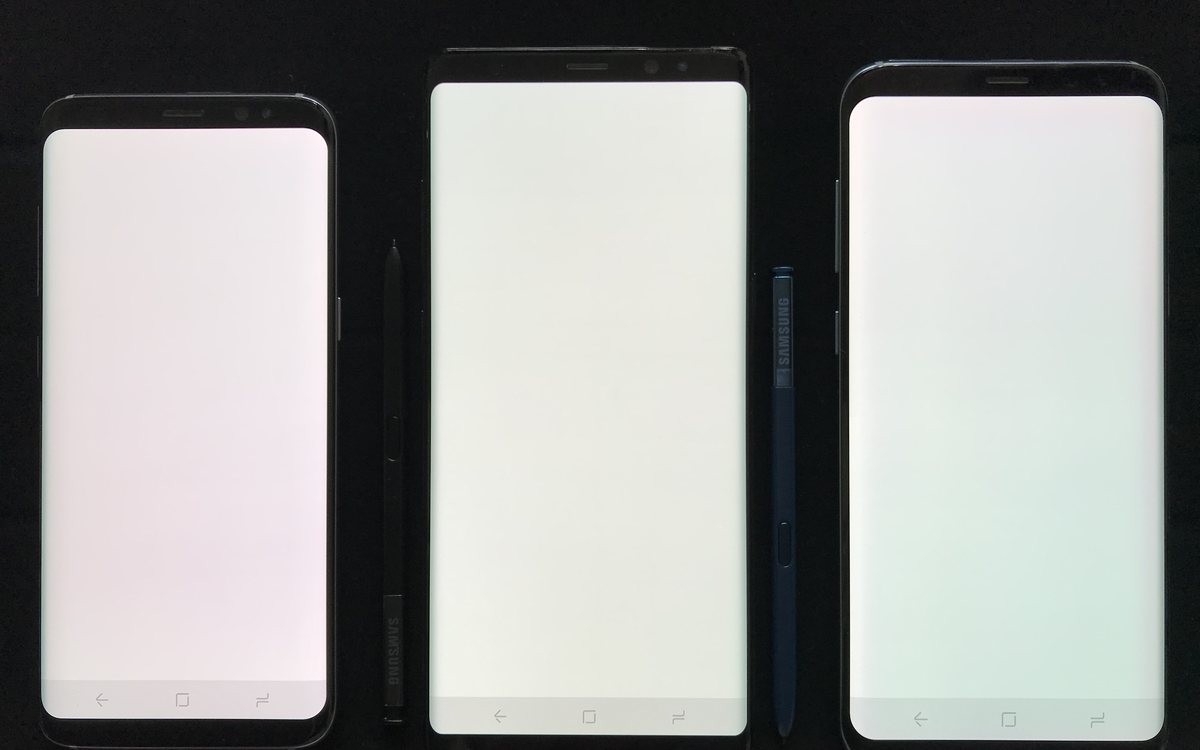
Brightness is the display specification that has inflated fastest, and the one most detached from daily experience. A phone quoting an enormous peak figure can be hard to read at a bus stop, while another quoting a smaller one is fine. Neither is lying. They are quoting different things, and the sheet rarely says which.
Three numbers wearing one name
- Typical or full-screen brightness — what the panel sustains across the whole display with ordinary content. This is the figure you live with while reading a document or a web page, and it is usually the smallest of the three.
- High brightness mode — a boost the phone applies automatically in strong ambient light, usually available only with automatic brightness enabled, and usually time-limited or temperature-limited. This is what makes a screen readable in sunlight.
- Peak brightness — measured on a small fraction of the panel, for a short period, typically with high dynamic range content. This is the figure on the box. It describes what a bright highlight in a photograph can reach, not what a page of text does.
The reason for the difference is power and heat. An emissive panel draws current in proportion to how much of it is lit and how brightly. Lighting a small patch very brightly is affordable; lighting the entire panel that brightly is not, and the panel would overheat if it tried.
Average picture level
This is why a mostly white screen is dimmer than a mostly black one with a bright element. The panel manages a power budget, and a page of black text on white is close to the worst case. Anyone who has watched a phone dim as they open a document in a bright room has seen the budget at work.
Why it dims after a minute
The boosted mode is bounded by temperature. Under sunlight the phone is being heated externally as well as internally, so the boost is short-lived: bright on arrival, noticeably dimmer a minute later, and dimmer still if the camera is running. This is not degradation; it is the panel being protected, and it is the same mechanism that slows the processor under load, described in the throttling piece.
Keeping the phone out of direct sun between uses, removing a thick case on a hot day and avoiding charging while outdoors all extend the boost, and all of them sound trivial until you have tried to read a map at noon.
What matters as much as the number
Reflectivity. A screen's legibility outdoors is the ratio between the light it emits and the light it reflects at you, so an effective anti-reflective treatment can do as much as a large increase in brightness. It is rarely quoted, and it is the reason two phones with similar figures can differ visibly outdoors.
The behaviour of automatic brightness matters too. A phone whose sensor reacts slowly, or which insists on returning to its own preference after you have adjusted it, will feel worse than a dimmer phone that responds promptly. Most implementations learn from manual adjustments, which means they can be trained — and can be mistrained by adjusting the slider in unusual conditions.
At the other end of the scale
Minimum brightness is the specification nobody advertises and night readers care about most. A panel that will not go below a certain level is uncomfortable in a dark room, and the workarounds — screen filters that overlay a dark layer — reduce contrast rather than light output. If reading in the dark is a large part of how you use a phone, check the low end in a shop by cupping your hands around the screen, and read the note on flicker, because the two behaviours are related: the dimmest settings are where modulation is deepest.
The practical summary for a buying decision: compare full-screen sustained figures rather than peak ones where they are published, treat the boost as a sunlight feature with a timer, look for a real anti-reflective coating, and check the minimum. The specification index holds the numbers; the part that decides whether you can read the screen on a footpath is mostly not among them.