In Depth
Refurbished, open box and seconds: what the labels actually mean
Updated
The words are not regulated and are used differently by every seller. What to ask before buying, and which checks to run in the first hour.
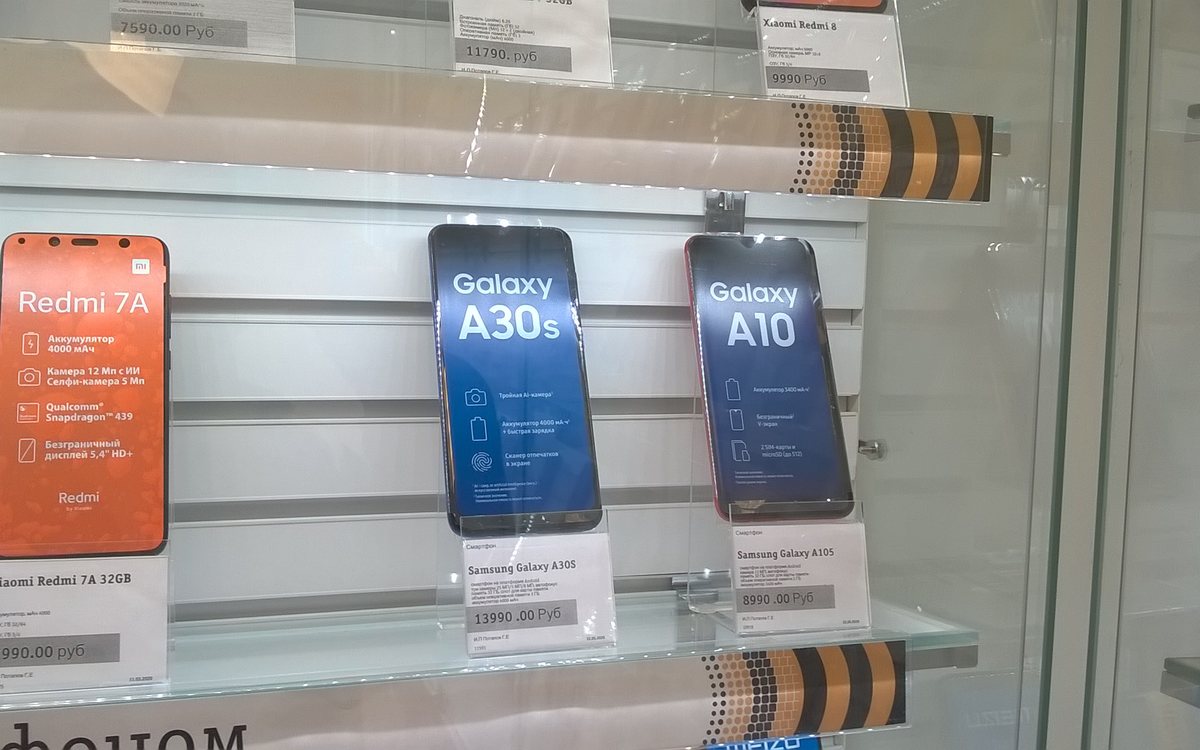
A phone sold at a discount under a label like refurbished, renewed, open box or second is usually a good deal and occasionally a bad one. The words carry no fixed meaning: two listings using the same term can describe entirely different histories. What matters is not the label but the answers to four questions, and whether the seller will answer them in writing.
What the labels tend to mean
- Open box — sold, returned within the return window, never meaningfully used. The cheapest genuine bargain in the category, and the one where the remaining warranty is most often intact.
- Refurbished — returned or traded in, inspected, faults repaired, cosmetically cleaned and repackaged. The quality depends entirely on who did it. A programme run by the manufacturer or a network operator is generally thorough; a marketplace seller's refurbishment may amount to a wipe and a polish.
- Renewed or certified pre-owned — marketplace terms for the same thing, usually with a grading scale for cosmetic condition and a short seller-backed warranty.
- Seconds or factory seconds — a unit that failed cosmetic inspection at manufacture. Functionally new, visually imperfect. Rare, and genuinely low-risk when real.
- Used, as-is — a private sale with no protection whatever. The price should reflect that, and often does not.
The four questions
Who backs the warranty, and for how long? A manufacturer warranty that runs from the original purchase date is the best case; a seller warranty of a few months is the common case; no warranty is a reason to pay considerably less. Ask which it is and get it in the listing or in writing.
What was replaced? The battery is the part that matters. A refurbishment that did not replace the battery is selling you a pack of unknown age, and the battery is the component that determines whether the phone is still pleasant to use in a year.
Is it the right model for your country? A phone imported from another market may lack the frequency bands your network uses, and the price difference frequently exists for exactly that reason. Check the model number against the band list before buying — the method is in the bands piece.
What is the device's status? A phone can be locked to an account, locked to a network, or reported lost or stolen, and none of these are visible from a photograph. The check takes two minutes and is set out in the IMEI piece. Do it before money changes hands, not after delivery.
The first-hour checks
Most return windows are short, so run these immediately:
- Serial and model in the settings must match the box and the listing. A mismatch is the clearest single warning sign there is.
- Battery condition. Note the cycle count and capacity where the phone exposes them, or derive an estimate; the methods are in the battery health piece.
- Every camera, front and back, photograph and video, with the torch on and off. Look at the results at full size for haze, spots or a lens that will not focus.
- Every button, both speakers, the microphones, the vibration motor, wireless charging if fitted, and the fingerprint or face unlock. Many makers include a built-in hardware test menu reachable through a dialler code; it covers most of this in a couple of minutes.
- Mobile data, calls and messages on your own network and your own card, in a place where you know coverage is good.
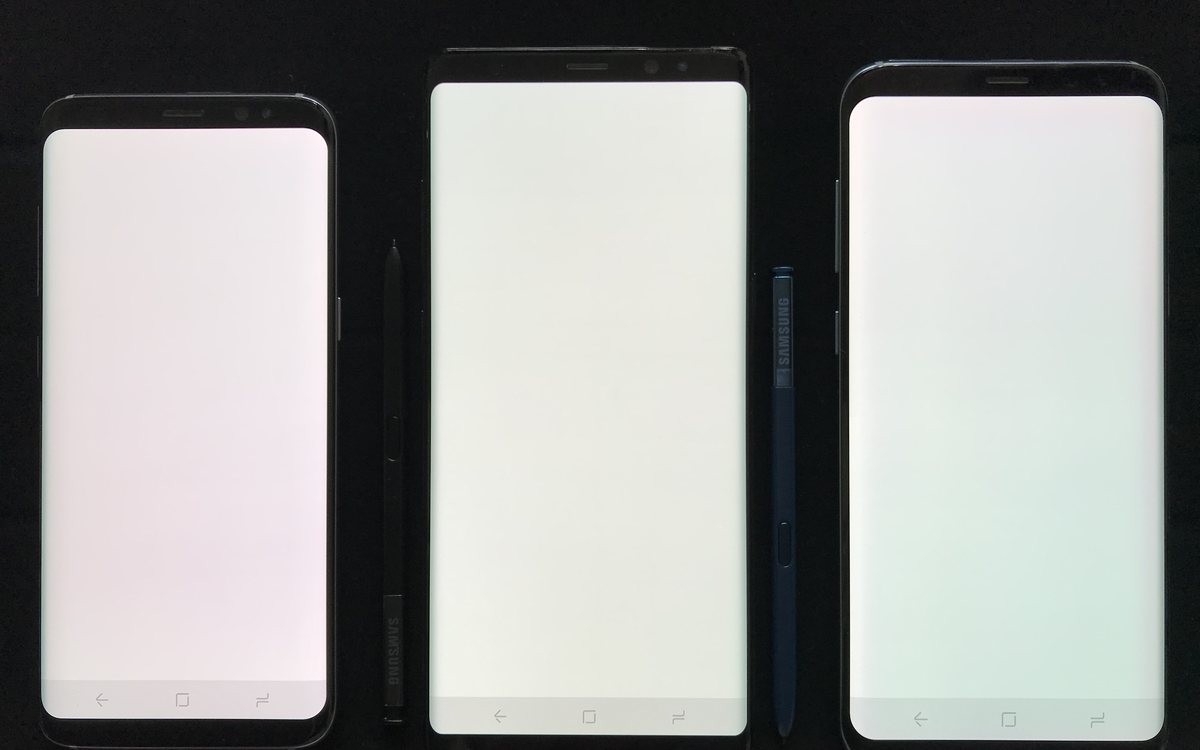
- Screen uniformity on a plain white and a plain black image at low brightness. Burn-in on an emissive panel shows up on grey; the low-brightness test also tells you about flicker, as in the flicker piece.
- Water damage indicator, visible in the card tray on most phones and explained in the water damage piece. A tripped indicator on a phone sold as refurbished is a conversation worth having with the seller.
Which models are worth buying this way
A flagship one or two generations old is usually the best value in the entire market: the processor is still quick, the cameras are still good, the screen is often better than anything new at the same price, and the discount is steep because the model is no longer current. The variable that should decide it is software support — the number of remaining security updates, which is a harder limit than performance and is explained in the patch level piece. Check the model's support window before the price. The specification index is a convenient place to line up the candidates.