In Depth
Megapixels, sensor size and what pixel binning actually hands you
Updated
A high-resolution sensor does not take high-resolution photographs by default. Understanding why explains most of the gap between a camera specification and a camera.
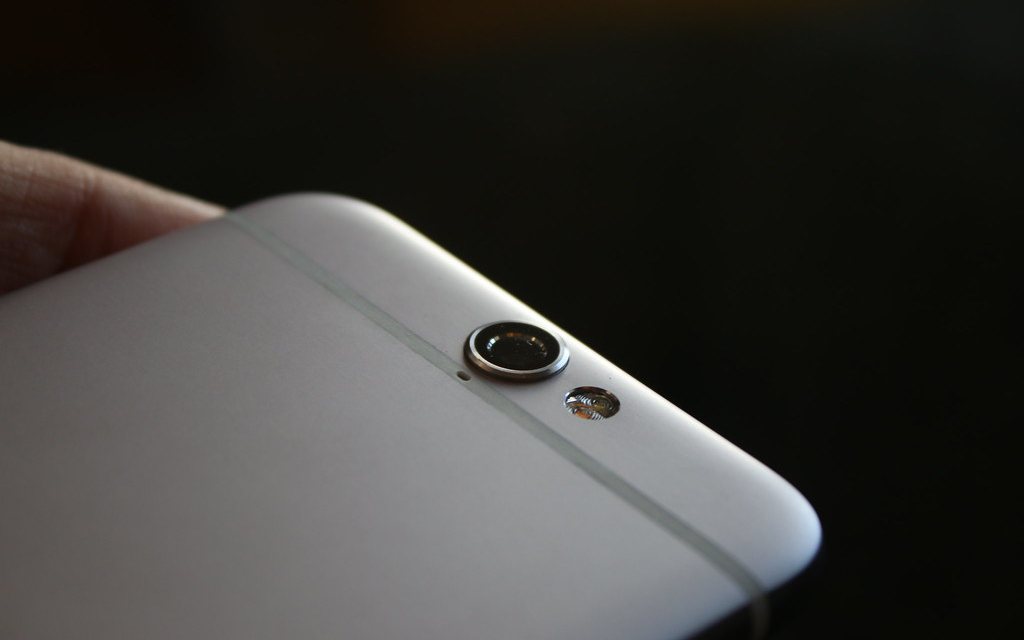
The headline number on a phone camera has been climbing for years while the photographs it produces have stayed at a fraction of it. This is not a cheat. It is how these sensors are designed to work, and the mechanism — binning — is the most consequential thing to understand about a modern phone camera specification.
Two numbers, pulling in opposite directions
A sensor collects light over an area. Divide that area into more pixels and each one collects less. Small pixels give you resolution and poor low-light behaviour; large pixels give you clean images with less detail. Since the sensor area in a phone is constrained by the thickness of the body, resolution and per-pixel light capture are in direct competition.
Binning is the compromise. A high-resolution sensor is built with a colour filter arranged in groups — four pixels sharing one colour, or nine, or sixteen — and in normal shooting the signal from each group is combined into one output pixel. The result behaves like a sensor with a quarter or a ninth of the pixel count and correspondingly larger pixels. A sensor with a very large headline number therefore produces, by default, an image at a fraction of that number, and that image is better than the full-resolution one would have been in the same light.
When the full resolution is worth using
In bright, even light, with a static subject, the full-resolution mode can resolve more detail — useful when you intend to crop hard. In anything less than generous light it is worse: noisier, softer after noise reduction, slower to capture and much larger on disk. Most phones default to binned output for exactly this reason, and the default is usually right.
The numbers that predict image quality better
- Sensor size, quoted as a fraction of an inch in a convention that long ago stopped describing any physical dimension. Larger is better, and the comparison between two fractions is only meaningful if you remember that a larger denominator means a smaller sensor.
- Pixel pitch, in micrometres — often quoted twice, once for the native pixel and once for the binned one. The binned figure is the one that applies to your everyday photographs.
- Aperture, as an f-number. Lower admits more light. The gains are smaller than they look because a faster lens on a small sensor brings its own problems at the edges.
- Stabilisation, which buys longer exposures without blur and matters more in dim light than any headline figure. Which kind a phone has is the subject of the stabilisation piece.
Why two phones with the same sensor differ
Because most of what you see is processing. A phone does not take one photograph; it captures a burst, aligns the frames, merges them to suppress noise, reconstructs colour, applies tone mapping and sharpens the result. Two handsets with identical sensors and different processing pipelines produce visibly different images, and the difference is usually larger than the difference between two sensors with the same pipeline.
This is why a specification comparison predicts so little, and why sample photographs taken in conditions resembling your own are worth more than any table. The reviews section is where those comparisons live; the specification index is where the numbers are, and they answer different questions.
The supporting cameras
A phone listed with four cameras rarely has four good ones. The main sensor takes the great majority of photographs; an ultra-wide is genuinely useful and usually a step down in quality; a telephoto with real optical reach is expensive and is the one that most often distinguishes a premium phone. The remaining entries — a low-resolution depth or macro sensor — contribute little, and a count of cameras is not a measure of anything.
A practical reading of a camera specification, then: find the main sensor size and its binned pixel pitch, check whether the main camera is optically stabilised, check whether the telephoto is a real one, and ignore the headline resolution almost entirely. Then look at photographs.